
Blood Alcohol Level Chart Explained: BAC Levels, Effects, and Safe Limits
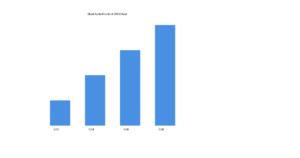
A blood alcohol level chart is a practical tool used to estimate how alcohol affects the body at different levels of intoxication. It helps explain how drinking impacts judgment, coordination, and reaction time based on blood alcohol content (BAC). Understanding how to read a BAC chart can support safer decision-making and reduce the risk of alcohol-related harm.
Disclaimer:
This content is for educational purposes only and does not constitute legal or medical advice. Alcohol affects individuals differently. Do not drive after consuming alcohol.
What Is BAC?
BAC, or blood alcohol content, measures the amount of alcohol in your bloodstream as a percentage. A BAC of 0.08% means there are 0.08 grams of alcohol per 100 milliliters of blood. Law enforcement agencies use BAC to determine legal intoxication, particularly in driving-under-the-influence (DUI) cases.
BAC is influenced by several variables, including the amount of alcohol consumed, body weight, biological sex, food intake, and time. Because of these variables, BAC charts provide estimates rather than exact values.
How to Read a BAC Chart
A blood alcohol level chart estimates intoxication by comparing body weight with the number of standard drinks consumed over a specific period. To use a BAC chart:
-
Identify your body weight on the chart.
-
Count the number of standard drinks consumed.
-
Match the row and column to estimate your BAC level.
BAC charts assume average alcohol absorption rates and do not account for individual differences. They should be used as a general guide, not a guarantee of sobriety or impairment.
BAC Levels and Effects
Different BAC levels are associated with varying degrees of impairment:
-
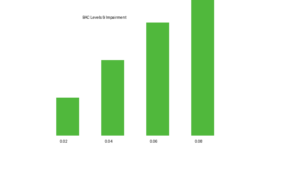
0.02% BAC: Mild relaxation and slight loss of judgment.
-
0.05% BAC: Reduced alertness, impaired coordination, and slower reaction time.
-
0.08% BAC (Legal Limit): Poor muscle coordination, impaired reasoning, and reduced concentration.
-
0.15% BAC and above: Significant impairment, balance loss, nausea, and increased risk of blackouts.
According to CDC guidance on alcohol impairment impairment can begin well before reaching the legal limit.
Factors That Affect BAC
Several factors influence how alcohol affects BAC levels:
-
Body weight and composition: Alcohol is diluted in body water, not fat.
-
Biological sex: On average, women may reach higher BAC levels than men after consuming the same amount of alcohol.
-
Food intake: Drinking on an empty stomach increases alcohol absorption.
-
Rate of drinking: Consuming multiple drinks quickly raises BAC faster.
-
Time: The body processes alcohol at a steady rate over time.
In some DUI cases, courts may require ignition interlock devices to help prevent repeat impaired driving offenses.
How Long Alcohol Stays in Your System
The liver metabolizes alcohol at an average rate of about one standard drink per hour. There is no proven way to speed up this process.
Coffee, cold showers, or exercise do not lower BAC. Medical explanations of alcohol metabolism confirm that only time reduces blood alcohol content
For additional educational guidance, see How long alcohol stays in your system
Legal BAC Limits
In most U.S. states, the legal BAC limit for drivers aged 21 and older is 0.08%
Commercial and underage drivers are subject to stricter standards. According to NHTSA BAC limits and DUI standards
exceeding legal limits can result in fines, license suspension, mandatory programs, or jail time.
You may also want to review potential DUI penalties
Frequently Asked Questions
How many drinks put you at 0.08 BAC?
The number of drinks needed to reach 0.08 BAC varies based on body weight, sex, drinking speed, and food intake. For some individuals, it may take as few as three to four standard drinks.
How long does it take for alcohol to leave your system?
On average, the body eliminates alcohol at a rate of one standard drink per hour. Heavy drinking can extend this timeline significantly.
Do coffee, showers, or exercise lower BAC?
No. These methods may increase alertness but do not reduce blood alcohol content.
Is BAC different for men and women?
Yes. Due to differences in body composition and metabolism, women often reach higher BAC levels than men after consuming the same amount of alcohol.
Key Takeaways
A blood alcohol level chart helps estimate intoxication based on drinks consumed, body weight, and time, but it cannot account for all individual factors. Impairment often begins before reaching the legal limit, and only time can reduce BAC. Planning ahead, monitoring alcohol intake, and choosing safe transportation options are the most effective ways to prevent alcohol-related risks.
Phone: 410.268.5515 Toll Free: 888.268.5515